
Fall is Here: Five Fun Activities for Dementia Patients
Autumn is a wonderful time of year, filled with vibrant colors, crisp air, and comforting traditions. For people living with dementia, engaging in seasonal activities can provide a sense of connection, joy, and stimulation. Here are five fun, fall-inspired activities that individuals at various stages of dementia can enjoy.
-
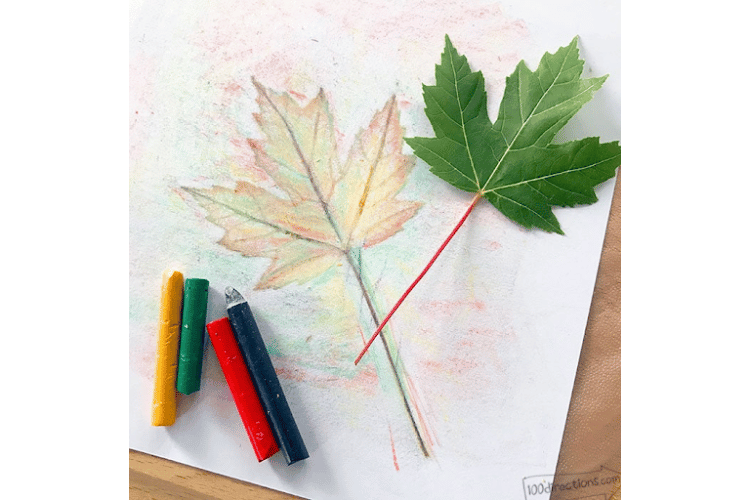
Leaf Collecting and Crafting
Autumn’s changing leaves offer a rich sensory experience. A simple walk in the park or backyard to collect leaves can stimulate the senses and encourage gentle movement. Once collected, you can turn those leaves into a creative craft project, such as leaf rubbings or a seasonal collage. This hands-on activity encourages creativity while also sparking memories associated with fall.
Benefits:
- Stimulates motor skills
- Encourages creativity and self-expression
- Offers a calming, repetitive task for relaxation
-
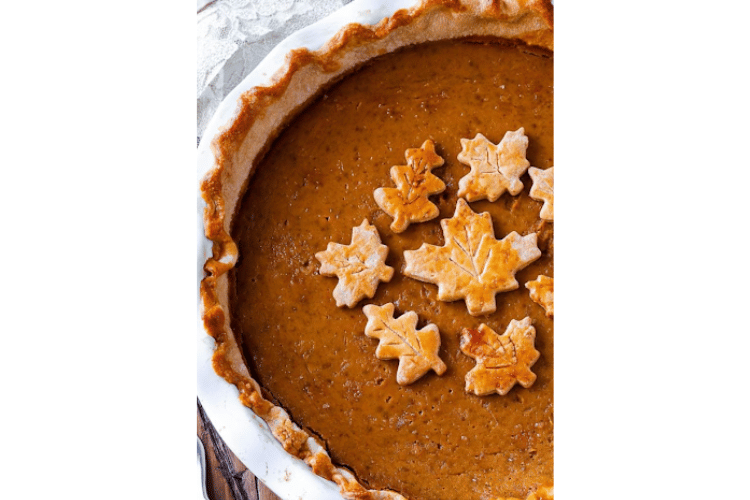
Baking Fall Treats
The aromas and tastes of fall are comforting and familiar. Baking traditional autumn goodies like pumpkin bread, apple pie, or cinnamon cookies is a wonderful way to engage someone with dementia. Even if they cannot assist with the full recipe, simple tasks like stirring ingredients, rolling dough, or sprinkling spices can help them feel involved. Plus, the smell of fresh-baked goods can evoke positive memories and a sense of comfort.
Benefits:
- Engages the senses, especially smell and taste
- Provides a feeling of accomplishment
- Evokes positive, nostalgic memories associated with food
-
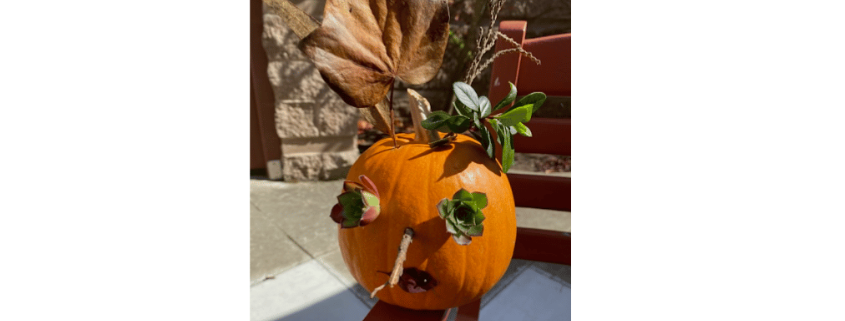
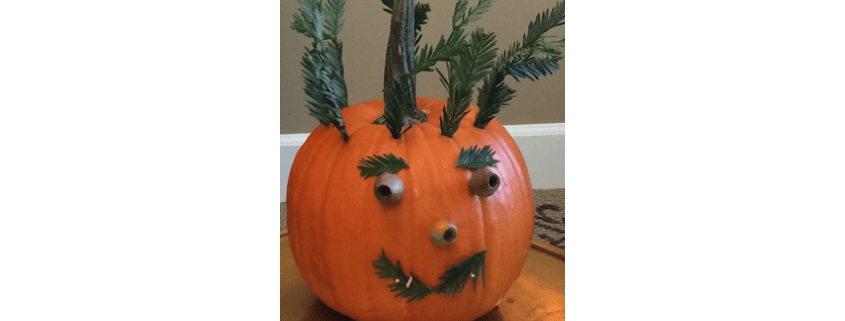
Pumpkin Decorating
Carving pumpkins may be challenging for those with dementia, but decorating pumpkins is an accessible and fun alternative. Individuals can decorate pumpkins using paint, markers, or stickers in a way that suits their abilities. This is a creative, low-pressure activity that allows for self-expression. Smaller pumpkins are easier to handle, and the process can be adjusted depending on the individual’s abilities.
Benefits:
- Encourages creativity and hand-eye coordination
- Provides a festive, tactile activity
- Can be expanded to include others, serving as a social, group experience
-
Enjoying Seasonal Music
Music has a powerful impact on people with dementia, often tapping into long-term memory and improving mood. Create a fall-themed playlist with songs that evoke the spirit of autumn—whether it’s folk music, harvest songs, or even songs from the person’s past that remind them of this time of year. Pairing music with other activities, like leaf collecting or baking, can deepen the sensory experience and enhance mood.
Benefits:
- Stimulates memory and cognitive function
- Enhances mood and reduces anxiety
- Provides a sense of familiarity and comfort
-
Autumn Memory Box
An autumn-themed memory box can be a great way to spark conversation and connection. Fill the box with items representing fall, such as pinecones, acorns, mini pumpkins, flannel fabric, and other textured objects. Each item can evoke memories, allowing the person to reminisce and share stories. This activity can be done individually or in a small group, encouraging social interaction and cognitive stimulation.
Benefits:
- Stimulates the senses
- Encourages conversation and reminiscence
- Promotes social interaction and connection
Conclusion
Engaging in fall-themed activities can significantly enhance the quality of life for individuals with dementia. These activities provide enjoyment and opportunities for physical exercise, social interaction, and cognitive stimulation. By tailoring activities to your loved one’s or client’s interests and abilities, you can create meaningful and joyful experiences together. Remember to prioritize safety, comfort, and hydration during all outdoor activities.
About the Author
Kari Rogenski, LMFT, PhD Candidate, is the Creative Director of The Hummingbird Project, a concierge in-person and virtual therapeutic activity program. Kari is a licensed psychotherapist and clinical supervisor. She is pursuing her Ph.D. in Humanistic Psychology at Saybrook University, where she studies creativity and gerontology. Follow Kari on Linkedin.






 Captured by, photographer Jeremy Fratkin – Jeremy Lawrence Photography.